
Coverage We Offer
Crop Insurance Plans
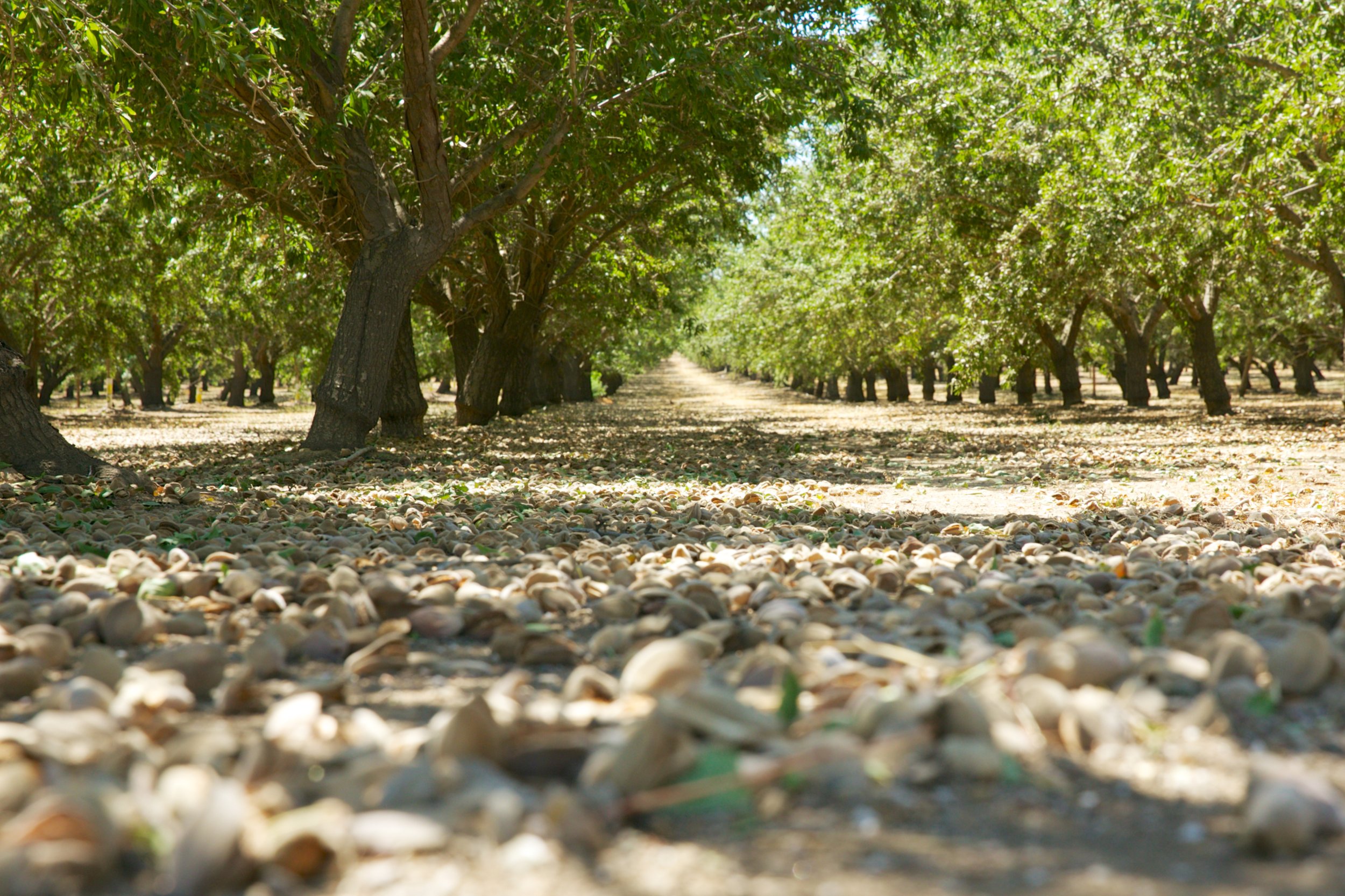
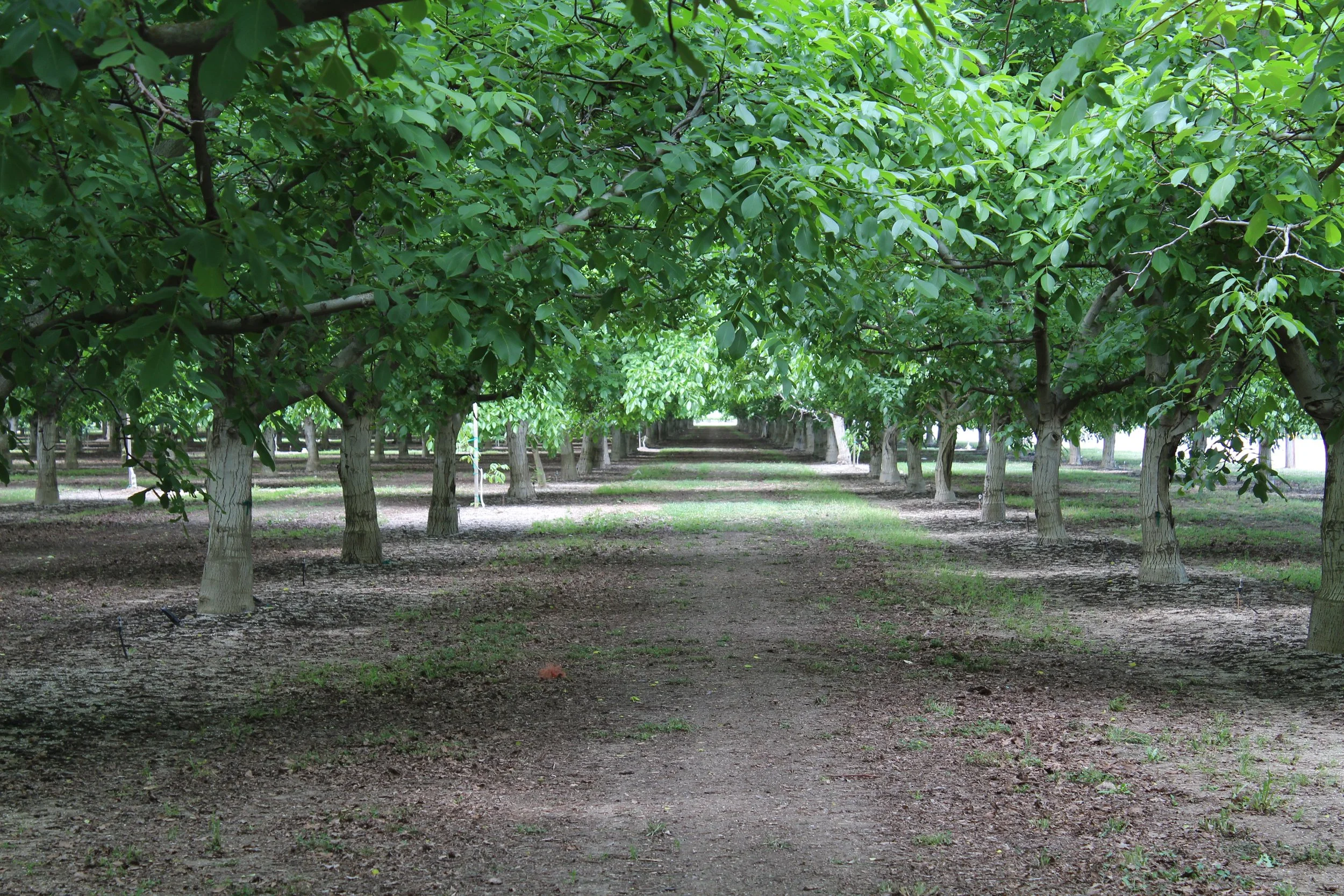
We work with a range of crop insurance programs designed around specific commodities and production practices. Coverage options may include yield-based and revenue-based protection, depending on the crop, location, and operation structure. Our focus is on helping you understand how each option works so coverage aligns with your risk exposure and planning needs.
Actual Production History
Actual Revenue History
Revenue Protection
Yield Protection
Rainfall Index Coverage
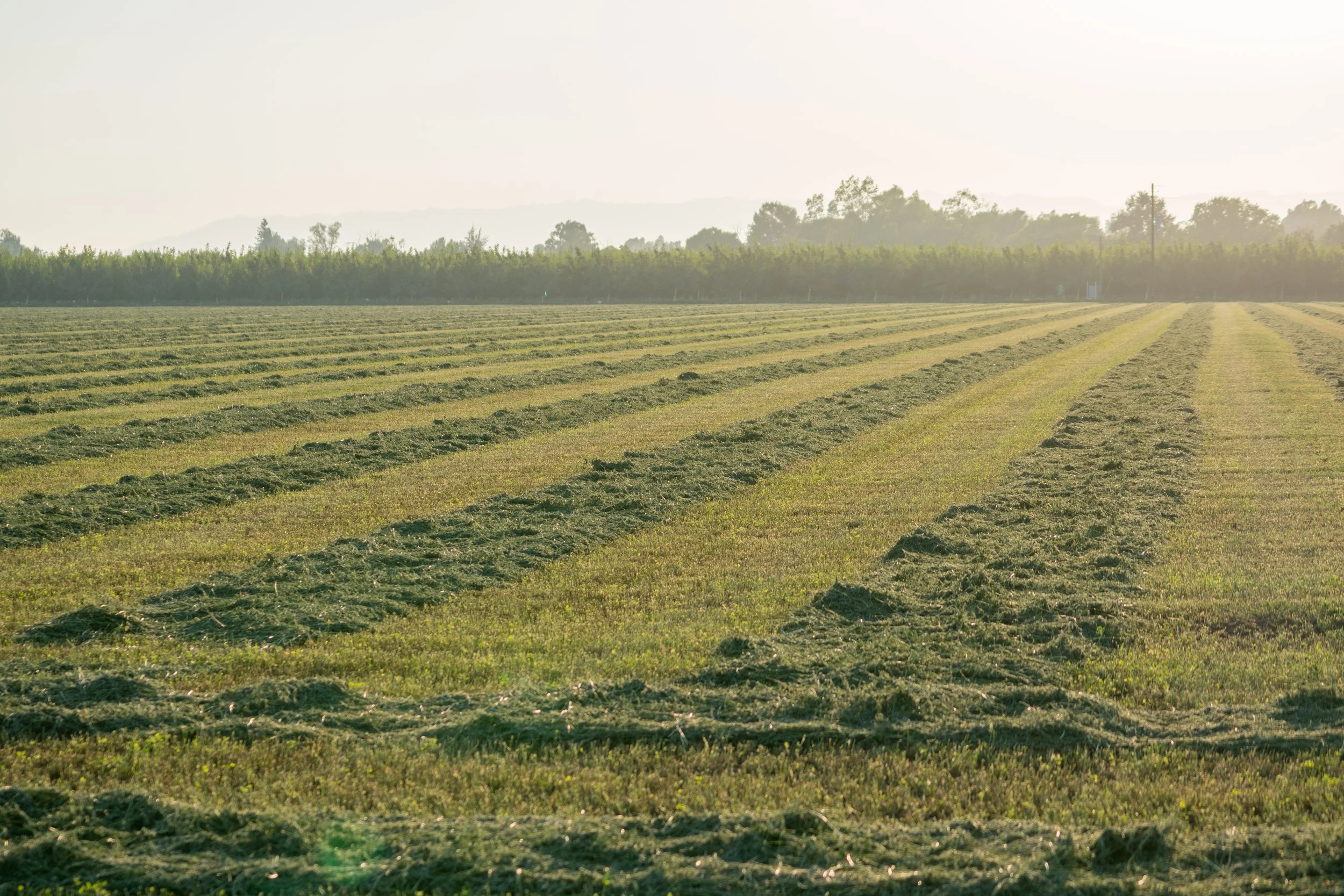
Rainfall index coverage is designed to address a specific risk: insufficient precipitation. These programs are based on measured rainfall levels and can help offset the financial impact of dry conditions when they affect an operation. Coverage availability and structure depend on location and production practices.
Pasture, Rangeland and Forage (PRF)
Apiculture (honey production)
Annual Forage
Named Peril Plans
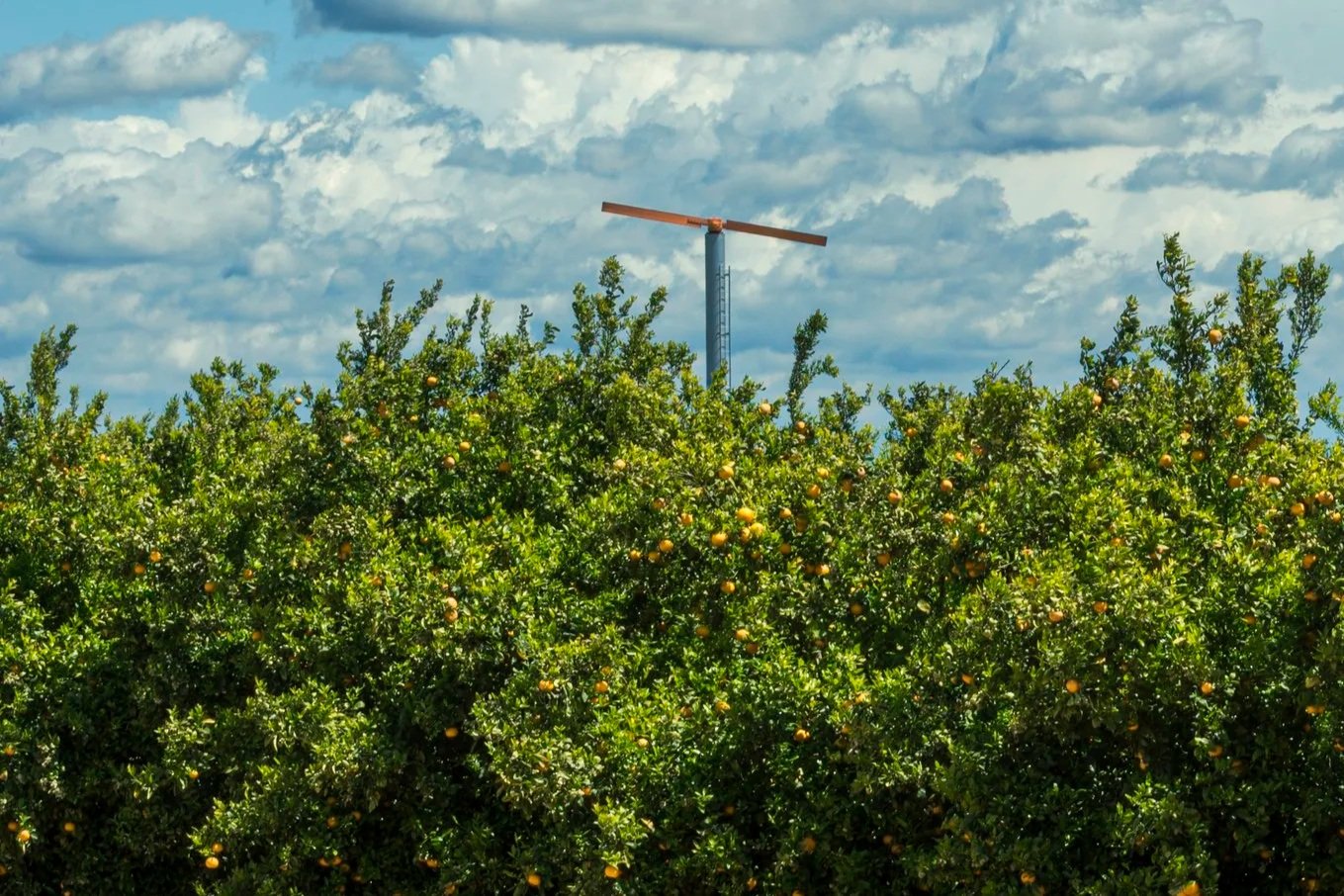
Some operations face exposure to specific weather events such as fire, freeze, or hail. Named peril insurance is designed to address these risks by providing coverage for defined causes of loss that affect certain commodities. Available options vary by crop and location, and we help producers understand how these policies work and when they may be appropriate.
Crop Hail
Crop Fire
Grape Cluster Freeze
Hail Protection Plan
Citrus Freeze
Tomato Rain
Replant Extra
Pasture Fire

Whole-Farm Revenue Protection
Whole-Farm Revenue Protection is designed to address overall revenue risk across an operation, including both crop and livestock production. It can be a useful option for diversified producers, particularly when certain crops or enterprises are not eligible for other federal insurance programs. Coverage is structured around total farm revenue rather than individual commodities, helping manage risk at the operation level
Key Dates
| Commodity / Program | Sales Closing Date | Production Reporting Due Date | Acreage Report Deadline | Premium Billing Date |
|---|---|---|---|---|
| Almonds / Pistachios | Dec 31 | Mar 15 | Mar 15 | Aug 15 |
| Cherries | Jan 31 | Mar 15 | Mar 15 | Aug 15 |
| Tomatoes | Jan 31 | Mar 17 | July 15 | Aug 15 |
| Walnuts | Jan 31 | Mar 15 | Mar 15 | Aug 15 |
| Olives / Prunes | Jan 31 | Mar 15 | Mar 15 | Aug 15 |
| Grapes | Jan 31 | Mar 17 | May 15 | Aug 15 |
| Pasture, Rangeland, Forage | Dec 1 | — | Dec 1 | Sept 1 |
| Oats, Wheat, Barley | Oct 31 | Dec 15 | Mar 15 | July 1 |
| Processing Apricots / Cling Peaches | Jan 31 | Mar 15 | Mar 15 | Aug 15 |
| Forage Production | Oct 31 | Dec 15 | Dec 15 | Aug 15 |
| Forage Seeding | July 31 | — | Jun 15 | July 1 |
Not all products are available in all areas. Coverage is subject to policy terms, conditions, and program rules.
Federal crop insurance policies are administered by Approved Insurance Providers and regulated by the USDA Risk Management Agency (RMA). Coverage is subject to approved policy provisions.
Non-Discrimination Statement
In accordance with Federal civil rights law and U.S. Department of Agriculture (USDA) civil rights regulations and policies, the USDA, its Agencies, offices, and employees, and institutions participating in or administering USDA programs are prohibited from discriminating based on race, color, national origin, religion, sex, gender identity (including gender expression), sexual orientation, disability, age, marital status, family/parental status, income derived from a public assistance program, political beliefs, or reprisal or retaliation for prior civil rights activity, in any program or activity conducted or funded by USDA (not all bases apply to all programs). Remedies and complaint filing deadlines vary by program or incident.
Persons with disabilities who require alternative means of communication for program information (e.g., Braille, large print, audiotape, American Sign Language, etc.) should contact the responsible Agency or USDA's TARGET Center at (202) 720-2600 (voice and TTY) or contact USDA through the Federal Relay Service at (800) 877-8339. Additionally, program information may be made available in languages other than English.
To file a program discrimination complaint, complete the USDA Program Discrimination Complaint Form, AD-3027, found online at How to File a Program Discrimination Complaint and at any USDA office or write a letter addressed to USDA and provide in the letter all of the information requested in the form. To request a copy of the complaint form, call (866) 632-9992. Submit your completed form or letter to USDA by: (1) mail: U.S. Department of Agriculture, Office of the Assistant Secretary for Civil Rights, 1400 Independence Avenue, SW, Washington, D.C. 20250-9410; (2) fax: (202) 690-7442; or (3) email: program.intake@usda.gov.
For more information, contact the RMA Civil Rights Office at 202-690-3578 (main line).
Hoobler Insurance Services is an equal opportunity provider and employer.